
Review Management for Restaurants: A No-Nonsense Guide
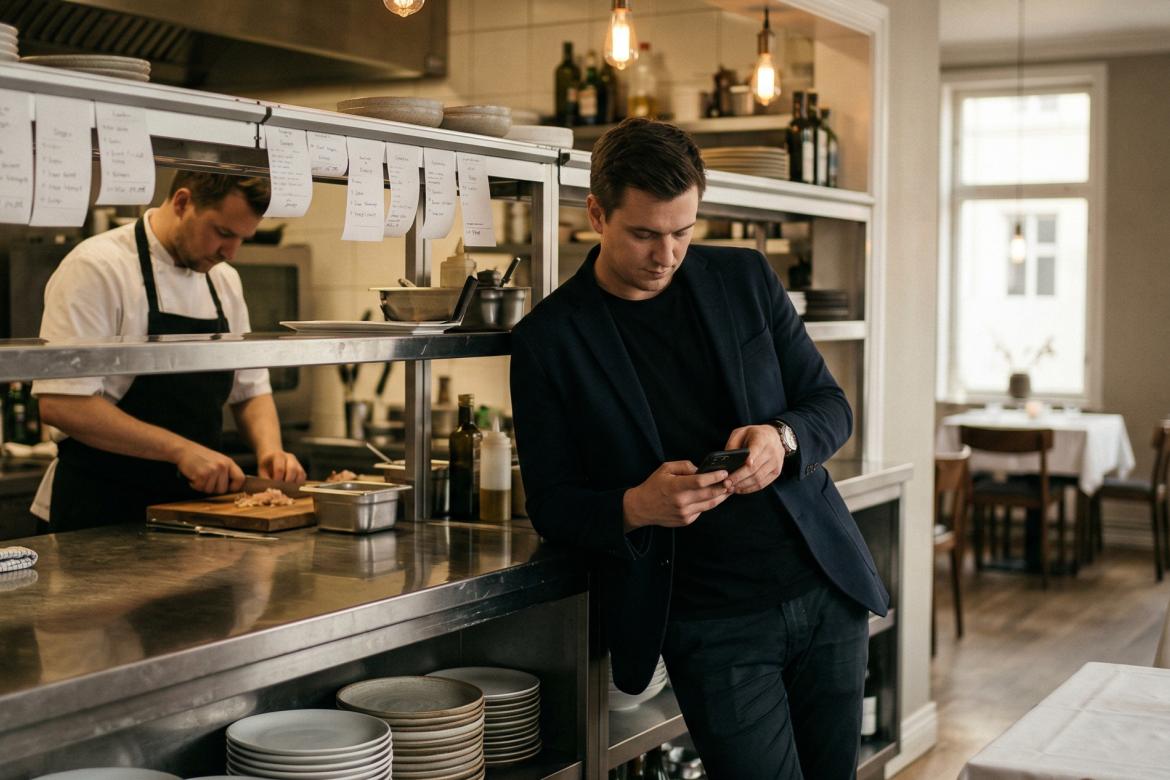
Running a restaurant means your reputation is public, permanent, and out of your control. A single bad Friday night can generate three one-star reviews by Saturday morning, and those reviews sit there influencing every potential customer who searches for somewhere to eat.
The good news: restaurants generate more reviews than almost any other business type. People love talking about food. The challenge is managing the volume, responding to complaints without losing your mind, and getting your happy customers (the silent majority) to actually write something.
Which Platforms Actually Matter
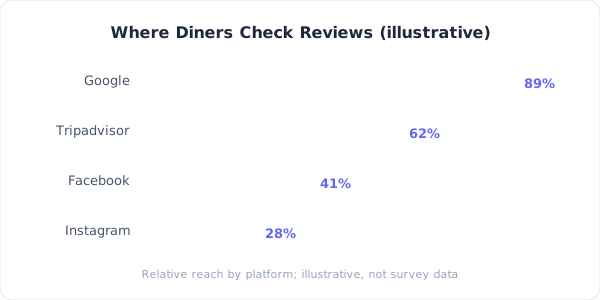
You don't need to be everywhere. For UK restaurants, three platforms drive the vast majority of decisions.
Google is non-negotiable
When someone searches "restaurants near me" or "best Thai food in Bristol," Google's local pack determines who gets seen. Your star rating, review count, and recency all feed directly into that ranking. According to BrightLocal's Local Consumer Review Survey 2024, 81% of consumers use Google to read reviews of local businesses. If you're only going to manage reviews on one platform, this is it.
Tripadvisor still pulls weight for restaurants
Tripadvisor's overall influence has declined, but for restaurants it remains significant in the UK. The 40+ demographic and tourists default to Tripadvisor when choosing where to eat. If you're in a tourist area or city centre, ignoring it is leaving money on the table.
The catch: Tripadvisor's algorithm favours recency heavily. 300 reviews from two years ago rank below 50 reviews from the last six months.
Facebook recommendations are declining but not dead
Facebook switched to "recommendations" (thumbs up/down) in 2018, and engagement dropped. Pubs and casual dining spots still get Facebook activity, but don't prioritise it over Google and Tripadvisor. Yelp is marginal in the UK. Deliveroo, Uber Eats, and Just Eat have their own closed ecosystems.
Handling Food Complaints Without Making Things Worse
Food complaints are restaurant-specific territory, and they require a different approach than a generic "sorry you had a bad experience."
Hair, insects, and foreign objects
Other customers read these reviews most carefully, and they watch your response. Don't say "this is unusual for us" — say what you did: "We immediately reviewed our kitchen procedures and spoke with our team. We'd like to invite you back at our expense." Making it right costs you one meal. Not responding costs you dozens of customers.
"The food was cold / undercooked / wrong order"
Acknowledge the specific problem, explain what you've done (not what you'll "look into"), offer a concrete resolution. Don't explain why it happened — "we were short-staffed" sounds like an excuse even when it's true.
Allergy and dietary complaints
Take these extremely seriously. A review claiming an allergic reaction isn't just a reputation issue — it's a potential legal issue under Natasha's Law and UK food safety regulations. Respond promptly, express genuine concern, ask them to contact you directly, and review your allergen processes internally.
Training Staff to Ask for Reviews
Restaurants have a built-in advantage: a natural moment of satisfaction. When someone finishes a good meal, pays the bill, and says "that was lovely" — that's your window.
Two rules before you start. Ask every table, not just the ones you think were happy — Google bans "review gating". And don't trade a free dessert for a review: since 6 April 2025 the Digital Markets, Competition and Consumers Act 2024 makes undisclosed incentives for reviews a banned practice, with the CMA able to fine directly.
Make it part of the closing interaction
Train front-of-house staff to say something like: "Really glad you enjoyed it. If you've got a minute, a Google review means the world to us — it's what helps other people find us." No pressure, and no shoving a QR code at them mid-mouthful — that comes later. Staff who genuinely care about the restaurant (rather than robotically reciting a script) get better results.
Table cards and receipt prompts
A QR code on the table or the back of the bill presenter works as a passive reminder. Keep the message simple: "Enjoyed your meal? Tell Google." It catches people during the natural pause while waiting for a card machine — perfect dead time for a quick review. Reviewdar prints these QR codes for you, pointing straight at your review link.
Follow-up for bookings
If your reservation system captures email addresses, a follow-up message 2-4 hours after the booking time works well. One sentence, one link, no newsletter sign-up buried underneath. Reviewdar sends these review-request emails for you, each with an unsubscribe link.
Friday Night Damage Control
Friday and Saturday nights generate the most reviews — both positive and negative. High volume, high expectations, longer wait times, and alcohol all combine to create conditions where things go wrong.
Check reviews Saturday morning
A quick scan of Google, Tripadvisor, and Facebook on Saturday morning catches Friday night issues while they're fresh. A response within 12 hours signals attentiveness. Three weeks later signals you don't read your reviews.
Respond to negative reviews first
Positive reviews can wait a day. Negative ones can't. Every hour a negative review sits unanswered is an hour where potential customers read it without seeing your side.
Don't respond when you're angry
You've just worked a 14-hour shift, you're tired, and someone has written a paragraph about how your restaurant is "the worst dining experience of my life" because their starter took 20 minutes. Don't fire back. Write the response in your notes app. Sleep on it. Edit it in the morning. Restaurants that go viral for clapping back get a brief moment of social media attention and a lasting reputation for being combative.
Responding to Positive Reviews Matters Too
Ignoring five-star reviews is a mistake. Responding encourages more positive reviews, and Google itself says replying to reviews can help your visibility. Keep responses short: thank them, reference something specific ("glad you loved the lamb — it's our head chef's favourite too"), invite them back.
The Numbers That Matter
Track these monthly:
Average rating — obvious, but watch the trend, not just the number. A 4.3 that was 4.5 three months ago tells you something is slipping.
Review volume — how many new reviews per month. For a busy restaurant, anything under 10 per month on Google means you're not asking enough.
Response rate — aim for 100%. Every review, positive and negative, gets a response. This is achievable and it matters.
Platform distribution — if 90% of your reviews are on Google and 10% on Tripadvisor, that's fine for most restaurants. But if you're in a tourist area and your Tripadvisor presence is thin, that's a gap.
Stop Treating Reviews as an Afterthought
Reviews aren't a side task — they're part of running a restaurant now. The restaurants that treat review management as a core operational function (like stock management or staff scheduling) consistently outperform those that treat it as something to deal with when they get around to it.
Reviewdar brings your Google and Facebook reviews into one dashboard (read-only Tripadvisor imports are rolling out on higher plans) and tells you when something new lands — so you're not checking three different apps every morning. See the pricing or explore how it works.
Ready to transform your review management?
Join thousands of UK businesses using Reviewdar to manage their online reputation.